
How does learning happen
(4 Foundations)
1. Belonging.
Belonging means that children feel accepted, valued, and connected to the people and environment around them.
Reflective Narrative:
Belonging is the foundation of a strong early learning environment. When children feel respected, welcomed, and understood, they are more confident and comfortable exploring the world around them.
In my classroom, I support belonging by creating an inclusive space where all children feel seen and appreciated. I encourage group activities where children can share ideas, collaborate, and build relationships. Simple actions such as greeting each child warmly, using their names, listening to their ideas, and acknowledging their cultural backgrounds help them feel valued.
As an educator, I will continue to strengthen belonging by building positive relationships with children and families and ensuring that every child feels supported and included in our learning community.

2. Well-Being.
Well-being focuses on children’s physical and emotional health and helps them feel safe, confident, and comfortable.
Reflective Narrative:
Supporting well-being means helping children develop healthy routines, emotional regulation, and a strong sense of safety. Children need opportunities to move their bodies, express their feelings, and experience calm moments throughout the day.
In my classroom, I support well-being through activities like outdoor play, regular handwashing routines, mindfulness moments, and positive guidance. These daily practices encourage children to build independence, strengthen their physical health, and develop emotional awareness.
As an educator, I will create a safe and nurturing environment where children feel confident expressing their needs and building healthy habits that support their overall development.
.png)
3. Engagement.
Engagement happens when children are actively involved, curious, and interested in their learning experiences.
Reflective Narrative:
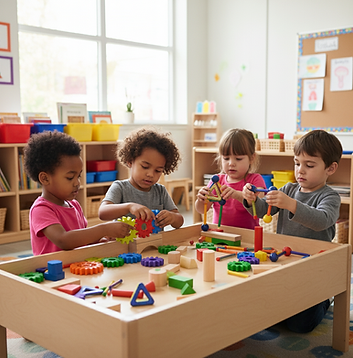
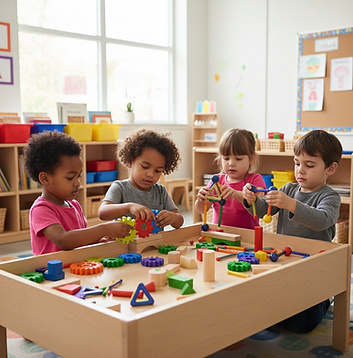
Children learn best when they are deeply engaged in meaningful and hands-on activities. Engagement encourages curiosity, exploration, and problem-solving, helping children make sense of the world around them.
In my practice, I support engagement by offering open-ended materials such as blocks, loose parts, and sensory tools. These materials invite children to investigate, create, and experiment at their own pace. When children are fully involved in their play, they develop critical thinking skills and stay motivated to learn.
As an educator, I will observe children’s interests closely and plan learning experiences that extend their curiosity and support deeper engagement in their play and learning.
.png)
4. Expression.
Expression allows children to communicate their ideas, thoughts, and feelings in many ways through language, play, art, movement, and more.
Reflective Narrative:
Children express themselves in a variety of creative ways. Supporting expression means offering many opportunities for children to share their thinking and feelings through artistic and imaginative activities.
In my classroom, I encourage expression through drawing, painting, storytelling, music, and dramatic play. These experiences help children communicate their ideas, develop language skills, and build confidence.
As an educator, I will continue to provide materials and opportunities that allow children to express their creativity, emotions, and ideas in ways that feel natural and meaningful to them
.png)